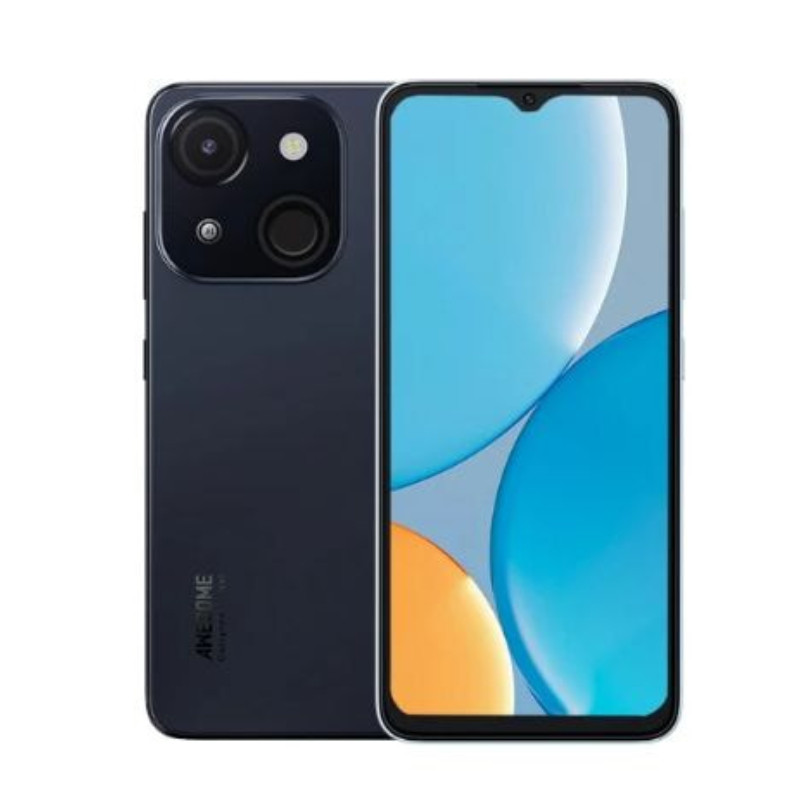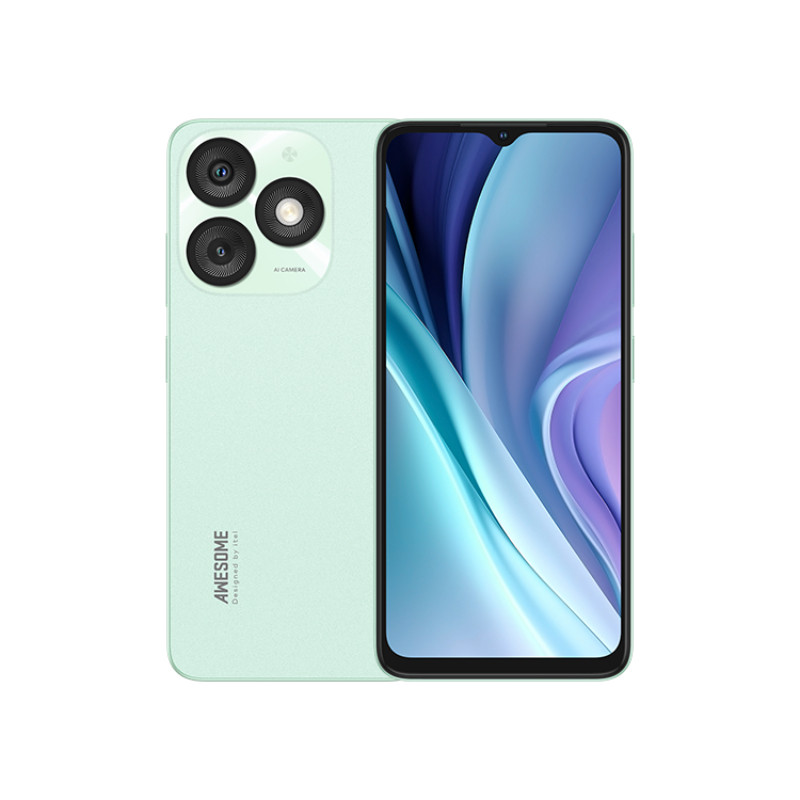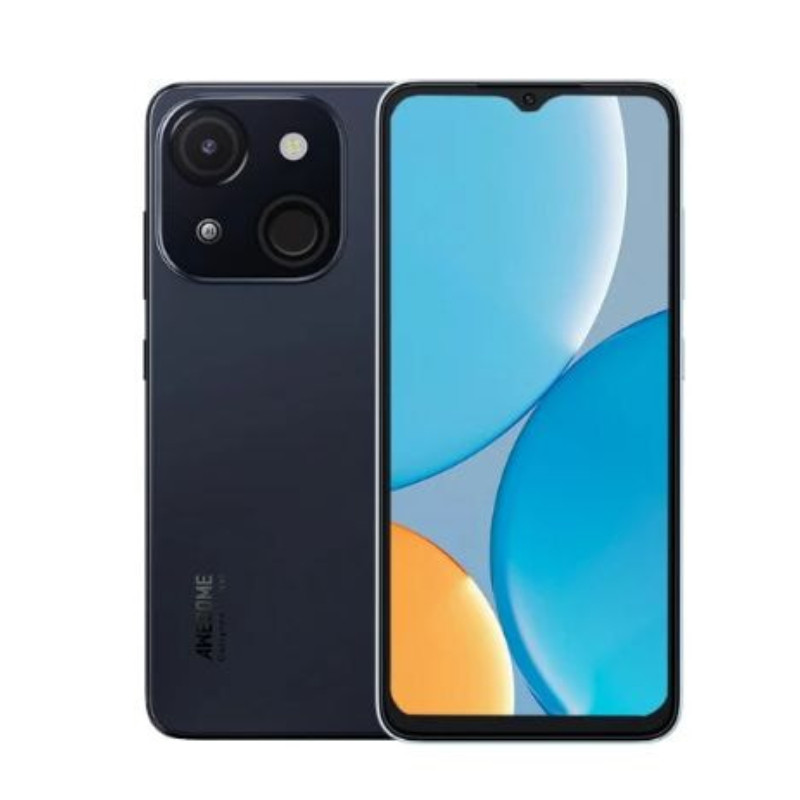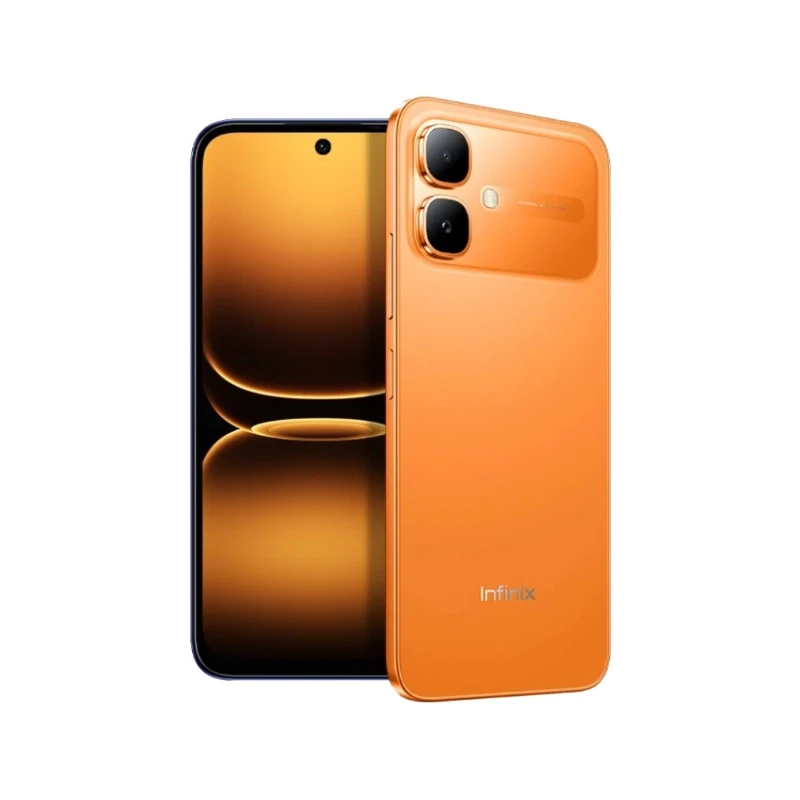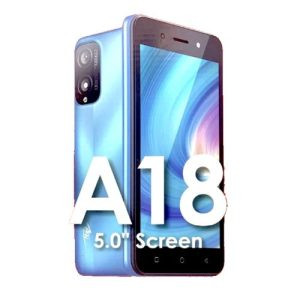
Infinix Smart 9
Tell your friends about this product and the convenient new way to pay for it:
Key Highlights
-
Category Specification Display 6.6-inch HD+ (1612×720) IPS LCD, 90.5% screen-to-body ratio Design Glasstic body with glossy finish; Colors: Sapphire Blue, Jade Stone, Twilight Purple, Midnight Black Processor MediaTek Helio G25 (12nm) Memory/Storage 3GB/4GB RAM + 64GB storage, expandable via dedicated microSD slot (up to 256GB) Rear Camera 13MP AI Dual Camera (f/1.8) with Quad-LED flash Front Camera 8MP Selfie Camera (f/2.0) with dewdrop notch Battery & Charging 5000mAh with standard 10W charging (Micro-USB port) Security Side-mounted Fingerprint Sensor & Face Unlock Software XOS 10 based on Android 11 Key Features 2-day battery life, dedicated microSD slot, AI scene detection, Social Turbo feature
KSh.500
Pay at your own pace
0% interest rates
AFTER full payment
-
In the vast and fiercely contested arena of budget smartphones, the challenge for manufacturers is not merely to create a device that is inexpensive, but to craft one that feels aspirational. It must bridge the chasm between bare-bones functionality and the desire for modern digital expression. The Infinix Smart 9 enters this arena as a quintessential representative of this philosophy. It is not a phone designed to break performance records or pioneer technological innovation. Instead, its purpose is profoundly democratic: to deliver a comprehensive smartphone experience to the segment of users for whom every dollar counts. This in-depth description will dissect the Infinix Smart 9 across all its facets, exploring how it attempts to balance cost with capability, and where it ultimately finds its place in the pockets of millions.https://sammertechnology.co.ke/
Chapter 1: First Impressions – Design and Build Quality
1.1 The Aesthetic Illusion:
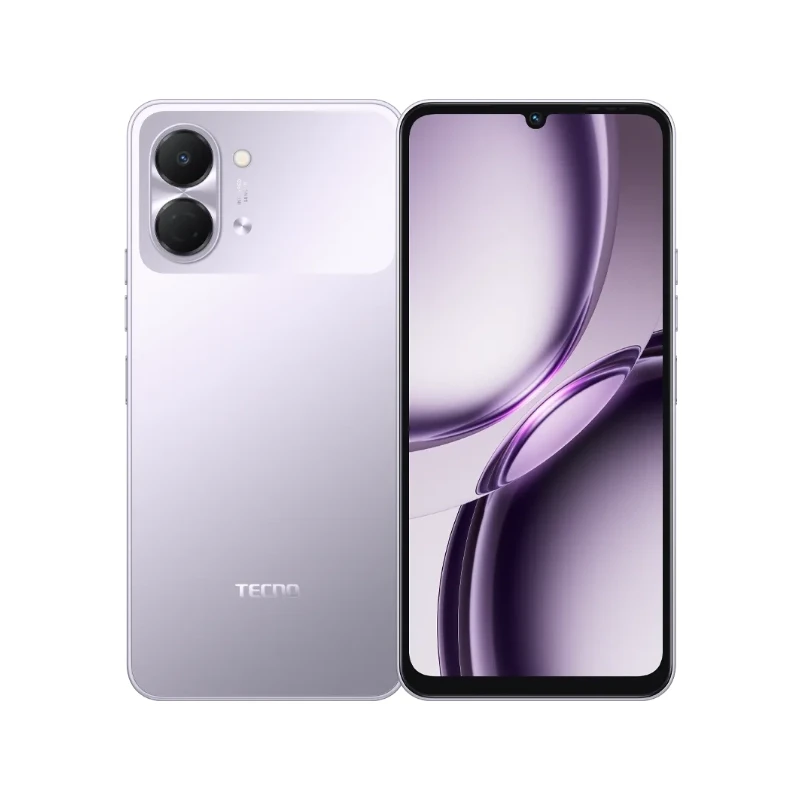
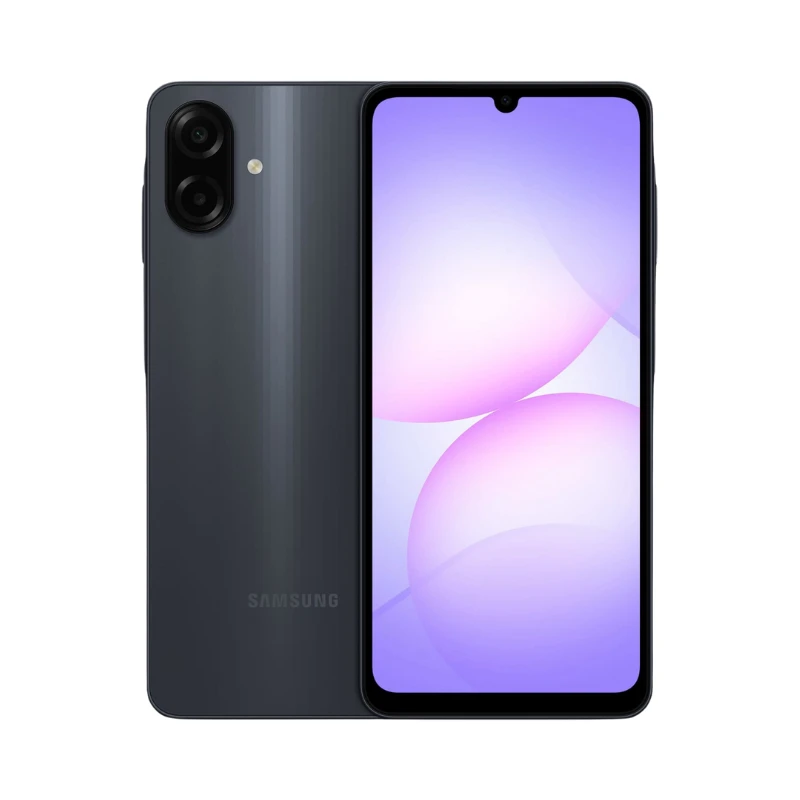
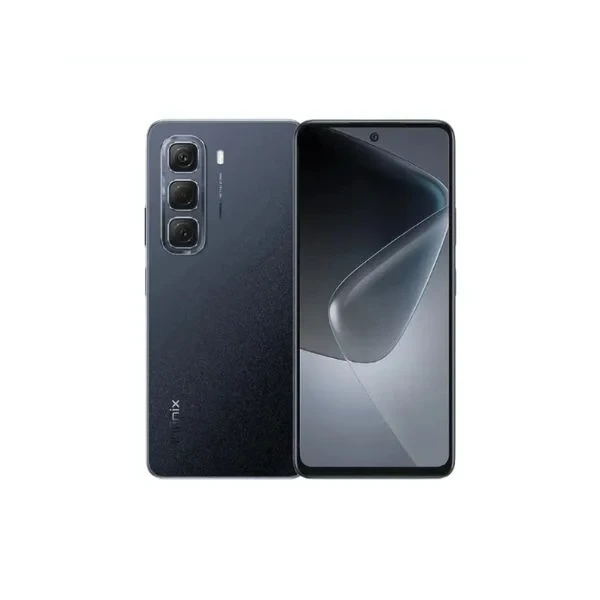
Upon unboxing the Infinix Smart 9, one is immediately struck by its ambition to defy its price bracket. The device employs a “Glasstic” design—a polycarbonate back with a high-gloss finish that meticulously mimics the sheen and reflective quality of glass. This is a strategic choice. It provides the visual appeal of a more premium material while maintaining the practical advantages of plastic: durability, lightness, and better signal reception.The rear panel is a canvas of subtle sophistication. Available in colours like Sapphire Blue, Jade Stone, Twilight Purple, and Midnight Black, it features a dynamic light effect that shifts and plays with reflection depending on the angle. The Twilight Purple variant, for instance, transitions through a spectrum of hues, creating an illusion of depth that is remarkable for this class. The texture is smooth to the touch, though inherently prone to smudges and fingerprints, a small trade-off for its glamorous appearance.
1.2 Ergonomics and Form Factor:
With dimensions of approximately 165.5 x 76.8 x 8.8 mm and a weight of around 196 grams, the Smart 9 is comfortably substantial without being cumbersome. Its rounded edges and corners nestle securely in the palm, making one-handed use feasible for most tasks. The placement of the physical buttons—the power button and volume rocker on the right spine—is intuitive and offers a satisfying, if slightly mushy, tactile feedback.The rear camera module is a raised, rectangular bump, a design language trickled down from flagship trends. While it prevents the phone from lying completely flat on a surface, it is unobtrusive. A significant design triumph is the inclusion of a textured, capacitive fingerprint sensor embedded within the power button. This is a notable upgrade over rear-mounted sensors, aligning with modern usability and contributing to a cleaner rear aesthetic.
1.3 The Front Facade: The Display and Notch:
The front of the device is dominated by a 6.6-inch HD+ IPS LCD display, framed by reasonably slim bezels, with a slightly more pronounced chin. At the top resides a dewdrop-style notch, a conservative and space-efficient alternative to punch-hole cameras. This design choice maximizes the screen-to-body ratio, which Infinix claims is about 90.5%, ensuring an immersive viewing experience for media consumption.Chapter 2: The Window to Content – The Display Analysis
2.1 Specifications and Real-World Performance:
The display specs are a clear indicator of the phone’s budget orientation: -
Size: 6.6-inch
-
Type: IPS LCD
-
Resolution: 720 x 1612 pixels (HD+)
-
Pixel Density: ~267 PPI (Pixels Per Inch)
-
Aspect Ratio: 20:9
-
Peak Brightness: ~500 nits
-
In daily use, this translates to a serviceable, though not exceptional, visual experience. The 720p resolution is the most significant compromise. While perfectly adequate for browsing social media, reading articles, and using messaging apps, it lacks the sharpness and detail of a 1080p (Full HD) panel. Text and icons have a slight fuzziness upon close inspection, but at a normal viewing distance, it is perfectly legible.
2.2 Colour Reproduction and Brightness:
The IPS panel delivers decent colour accuracy. Colours are vibrant enough for casual media consumption but tend to lean towards a cooler tone out of the box. The phone includes software-level colour temperature adjustment in the settings, allowing users to tweak the display to their preference. The claimed 500 nits of brightness is its saving grace outdoors. While not as potent as higher-end devices, it provides just enough legibility under direct sunlight, making it functional for checking notifications or maps on a bright day. Viewing angles are typical of IPS technology, with some colour shifting and brightness drop-off when viewed from extreme angles.2.3 The Multimedia Experience:
For watching videos on YouTube, Netflix, or other streaming platforms, the 20:9 aspect ratio is excellent for most modern content, minimizing black bars. The lack of high dynamic range (HDR) support means videos won’t have the same contrast and colour pop as on more expensive phones, but the experience is engaging for its price. The single, bottom-firing loudspeaker is a weak point. It gets sufficiently loud for personal viewing but lacks bass and distorts at higher volumes. The use of earphones or Bluetooth headphones is highly recommended for a fulfilling audio-visual experience.Chapter 3: The Beating Heart – Performance and Hardware
3.1 The Engine: MediaTek Helio G25
At the core of the Infinix Smart 9 lies the MediaTek Helio G25 system-on-chip (SoC). Built on a 12nm process, this chipset is designed for efficiency and basic task management. -
CPU: Octa-core, comprising 4x ARM Cortex-A53 performance cores clocked at 2.0GHz and 4x Cortex-A53 efficiency cores at 1.5GHz.
-
GPU: PowerVR GE8320.
-
This configuration is the definition of an entry-level processor. It is not built for heavy lifting. Its performance is best described as competent for fundamental smartphone operations. Navigating the user interface, launching lightweight apps like WhatsApp, Facebook Lite, and the dialer is smooth enough. However, the limitations become apparent with more demanding tasks.
3.2 Real-World Usage and Multitasking:
The phone is offered in two configurations: 3GB or 4GB of RAM paired with 64GB of internal storage, expandable via a dedicated microSD card slot (up to 256GB). The 4GB RAM variant is the recommended choice. With the 3GB model, users will experience more frequent app reloads when switching between a few applications. The 4GB version provides a noticeably more stable multitasking experience, allowing for 4-5 lightweight apps to reside in memory before needing to refresh.Gaming performance is strictly casual. Titles like “Subway Surfers,” “Candy Crush,” and “Temple Run 2” run without a hitch. However, attempting to play graphically intensive games like “Genshin Impact” or “Call of Duty: Mobile” even on the lowest settings results in significant frame rate drops, stuttering, and long loading times. The Helio G25, despite the “G” in its name suggesting gaming prowess, is at the very bottom of MediaTek’s gaming-oriented lineup and is best suited for the lightest of gaming sessions.
3.3 Storage and Connectivity:
The 64GB eMMC 5.1 storage is standard for the class. After accounting for the operating system and pre-installed apps, users are left with approximately 45GB of usable space. The dedicated microSD slot is a boon, allowing for storage expansion without sacrificing a second SIM card. Connectivity options are comprehensive for a budget device: 4G LTE, Wi-Fi 802.11 b/g/n, Bluetooth 5.0, GPS, and a micro-USB port. The use of micro-USB instead of the newer USB-C is a notable cost-cutting measure and feels dated in 2024, requiring users to mind the cable orientation when plugging in.Chapter 4: Capturing Moments – The Camera System
4.1 The Dual-Camera Array: A Closer Look
The Infinix Smart 9 features a dual-camera setup on the rear: -
Primary Camera: 13 MP, f/1.8 aperture
-
Secondary Camera: QVGA (Low-resolution) AI Lens
-
Features: Quad-LED flash, HDR, Panorama, AI Scene Detection.
-
The QVGA sensor is largely a marketing spec; the primary 13MP sensor handles all the heavy lifting. The f/1.8 aperture is a welcome feature, allowing more light to hit the sensor compared to narrower apertures found in some competitors.
4.2 Daylight Photography:
In optimal daylight conditions, the primary camera can capture surprisingly decent images. Colours are rendered with a tendency towards saturation, making blues and greens pop, which appeals to the social media-centric user. Details are acceptable for small-screen viewing but break down upon zooming in, revealing a lack of fine texture and sharpness. The AI Scene Detection works to identify scenarios like “Sky,” “Plant,” or “Food” and tweaks the colour saturation and contrast accordingly. The results can sometimes be overly processed but are generally pleasing to the untrained eye.4.3 Low-Light and Challenging Scenarios:
This is where the budget nature of the camera becomes unequivocal. In low-light environments, the small sensor struggles. Images lose detail, exhibit significant noise (grain), and colours become muddy. The Night Mode, a software-based long-exposure feature, attempts to mitigate this. It requires a steady hand for a few seconds to capture multiple frames and blend them. The result is a brighter image with reduced noise, but it often lacks natural contrast and can introduce blur from subject movement. The quad-LED flash is powerful but often results in harsh, flat lighting if the subject is too close.4.4 The Selfie Camera:
The 8 MP, f/2.0 front-facing camera housed in the dewdrop notch is adequate for video calls and selfies. Similar to the rear camera, it performs best in good light. The beautification modes are aggressive by default, smoothing out skin textures extensively. For its primary purpose—video calls on WhatsApp, Zoom, or Google Meet—it is perfectly functional.4.5 Video Recording:
Video capabilities are a stark reminder of the phone’s position. It maxes out at 1080p at 30 frames per second for the rear camera and 1080p at 30fps for the front. The footage lacks stabilization (EIS), resulting in shaky videos. Audio capture is mono and susceptible to wind noise. It is suitable for capturing short clips for personal memories but not for content creation.Chapter 5: The Digital Soul – Software and User Experience
5.1 XOS 10 and Android 11:
The Infinix Smart 9 ships with XOS 10, Infinix’s heavily customized skin atop the aging Android 11 operating system. This is one of the device’s most significant drawbacks. The use of an older Android version at launch means it misses out on newer privacy features and platform improvements, and its future update prospects are limited.XOS itself is a feature-rich but bloated interface. It deviates significantly from stock Android, with custom icons, a separate app drawer style, and a plethora of pre-installed applications. While some of these, like the Phone Master storage cleaner and the XClub community app, can be useful, others feel like bloatware that cannot be uninstalled.
5.2 Software Features and Bloatware:
Positive features include: -
Social Turbo: Integrates with WhatsApp to offer features like video call beauty filters and voice changer.
-
Smart Panel: A handy sidebar that can be swiped in from the edge for quick access to frequently used apps and tools.
-
Game Mode: Blocks notifications and optimizes system resources during gameplay.
-
The downside is the presence of numerous third-party apps and persistent notifications promoting Infinix’s services, which can clutter the experience. The learning curve for users accustomed to stock Android or lighter skins like Xiaomi’s MIUI is steep.
5.3 Security:
Security is handled by both the capacitive side-mounted fingerprint sensor and face unlock. The fingerprint sensor is fast and accurate, providing a reliable method for securing the device. The face unlock, which uses the front camera, is reasonably quick in good light but becomes unreliable in the dark and is less secure than the fingerprint method.Chapter 6: Endurance – The Battery Life
6.1 The Powerhouse:
If there is one area where the Infinix Smart 9 truly excels, it is battery life. Equipped with a massive 5000mAh battery, the device is built to last. The combination of this large battery, the power-efficient Helio G25 chip, and the low-resolution HD+ display creates a perfect storm for exceptional endurance.6.2 Real-World Battery Performance:
For a typical user, the Smart 9 can easily deliver two full days of use on a single charge. This usage includes several hours of screen-on time involving social media browsing, instant messaging, some camera use, and phone calls. Even for power users who consume a lot of video content, getting through a day and a half is almost guaranteed. This makes it an ideal device for users who are constantly on the move or have limited access to charging points during the day.6.3 Charging Technology:
The charging speed, however, is a trade-off. The phone comes with a standard 10W charger. Charging the large 5000mAh battery from 0 to 100% takes approximately 3 hours. This is undeniably slow in an era where even budget phones are adopting 18W or 33W fast charging. It is best charged overnight.Conclusion: The Verdict on Value
The Infinix Smart 9 is a device of clear compromises, but they are largely intelligent ones tailored to its target audience. It does not pretend to be a flagship killer. Instead, it focuses its resources on what matters most to entry-level users: a design that feels contemporary, a massive battery that eliminates range anxiety, and a screen large enough for entertainment.
Its weaknesses—the low-resolution display, modest performance, basic low-light cameras, outdated software, and slow charging—are all direct consequences of its aggressive pricing. However, for a user upgrading from a feature phone or an older, more basic smartphone, these compromises may be imperceptible or acceptable.
How to order on the website
- On your selected item, click on the Click to order / Add to Cart button
- Enter your name, phone number and email address
- Enter the amount you want to pay. We accept a minimum of KSh.100 on all items
- Click on the Proceed to Pay button
- You'll be prompted to enter your M-Pesa pin to pay automatically
- If you don't receive the prompt, follow the steps sent to you on SMS to activate your booking