
Oppo A5

Product Code: P652906
KSh. 23,500

Start paying as little as KSh.500
Lipa balance pole pole bila pressure, bila stress
Pick up or delivery AFTER full payment

Tell your friends about this product and the convenient new way to pay for it:

Key Highlights
  • Feature Category Specification
    Display 6.5-inch LCD, HD+ (1600 x 720), 20:9 aspect ratio, “Waterdrop” notch
    Processor Qualcomm Snapdragon 665 (11nm)
    Memory & Storage 4GB RAM, 64GB / 128GB internal storage (expandable via microSD up to 256GB)
    Rear Cameras Main: 12MP or 13MP sensor
    Depth: 2MP sensor
    Front Camera 8MP in-display sensor
    Battery & Charging 5000mAh, 10W standard charging
    Software ColorOS 6/7 based on Android 9/10
    Design & Ports 3D gradient glossy plastic back, rear fingerprint sensor, 3.5mm headphone jack, micro-USB port
    Dimensions & Weight ~165 x 75 x 9 mm, ~195 grams


    KSH 23000-26000

Minimum deposit
KSh.500
Payment period
Pay at your own pace
No extra fees
0% interest rates
Pick up or delivery
AFTER full payment
  • In the vast ecosystem of smartphones, where flagships grab headlines with bleeding-edge technology, the true battleground for market share is in the budget and entry-level segments. Here, hundreds of millions of users seek a device that offers reliability, core functionality, and a touch of style without straining their finances. OPPO’s “A” series has long been the brand’s spearhead in this arena, and the OPPO A5 stands as a quintessential model within that lineage. Launched not as a technical powerhouse, but as a “balanced companion,” the A5 carved its niche by excelling in the fundamentals that matter most to everyday users: enduring battery life, a large and viewable screen, a design that defies its price tag, and a camera system capable of capturing shareable moments.

    Unlike the iterative, spec-driven upgrades of higher-end lines, the A5’s mission was holistic. It wasn’t about having the highest resolution sensor or the fastest chipset; it was about creating a seamless and satisfying daily experience. It targeted students, young professionals, and those seeking a dependable secondary device or a smart first smartphone. The OPPO A5 answered the question: “What do you really need a phone to do, day in and day out?” This deep dive explores how it provided that answer through thoughtful design and strategic feature prioritization.https://sammertechnology.co.ke/

    Chapter 1: Design Philosophy – The Art of Perception and Ergonomics

    From the moment it was unboxed, the OPPO A5 made a statement that contradicted its affordable positioning. OPPO has mastered the art of perceptual engineering—making a device feel more premium than its components might suggest.

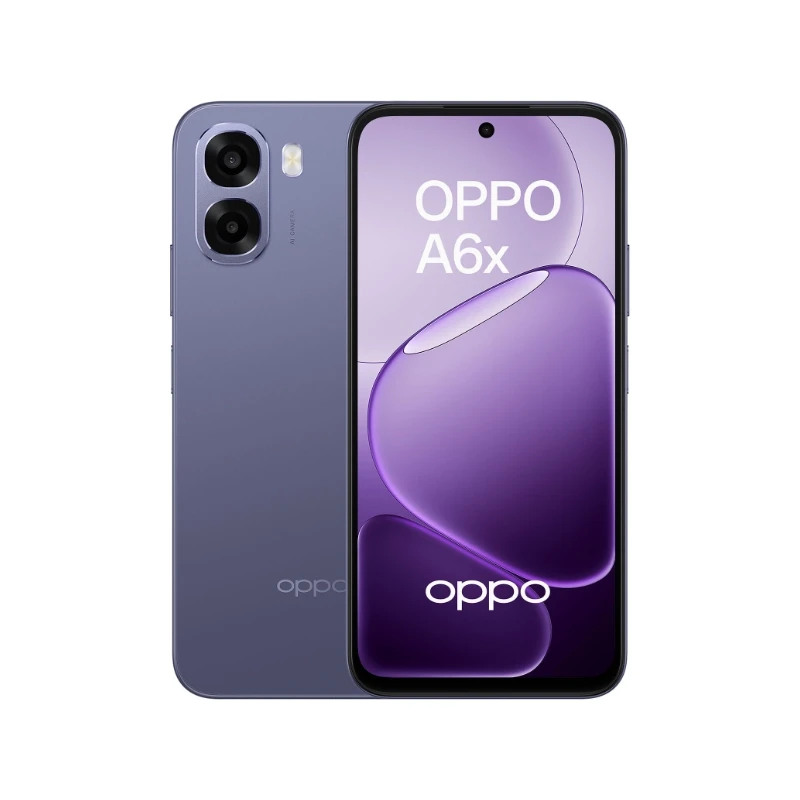
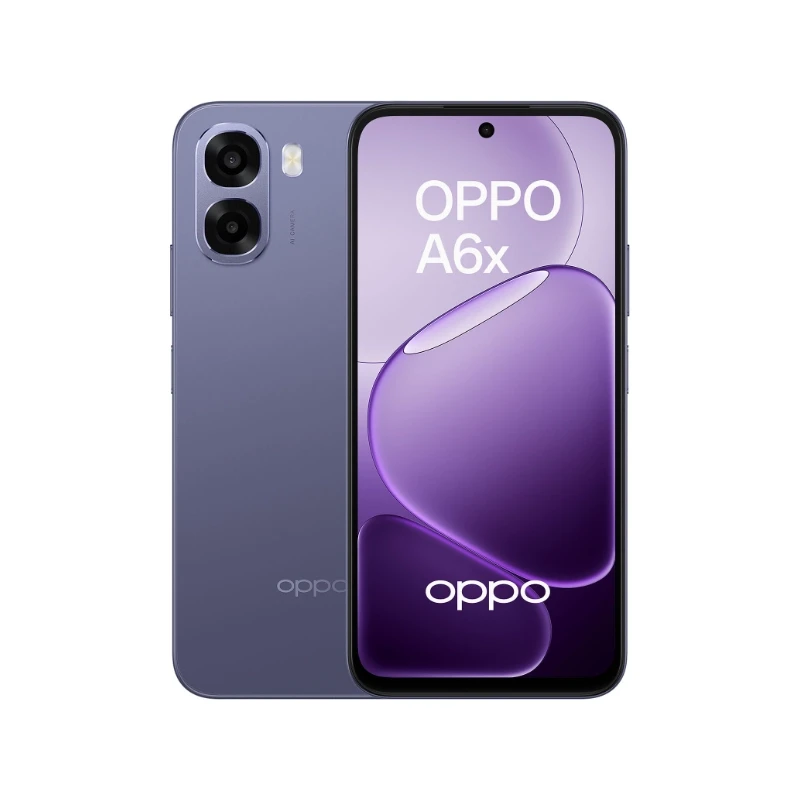
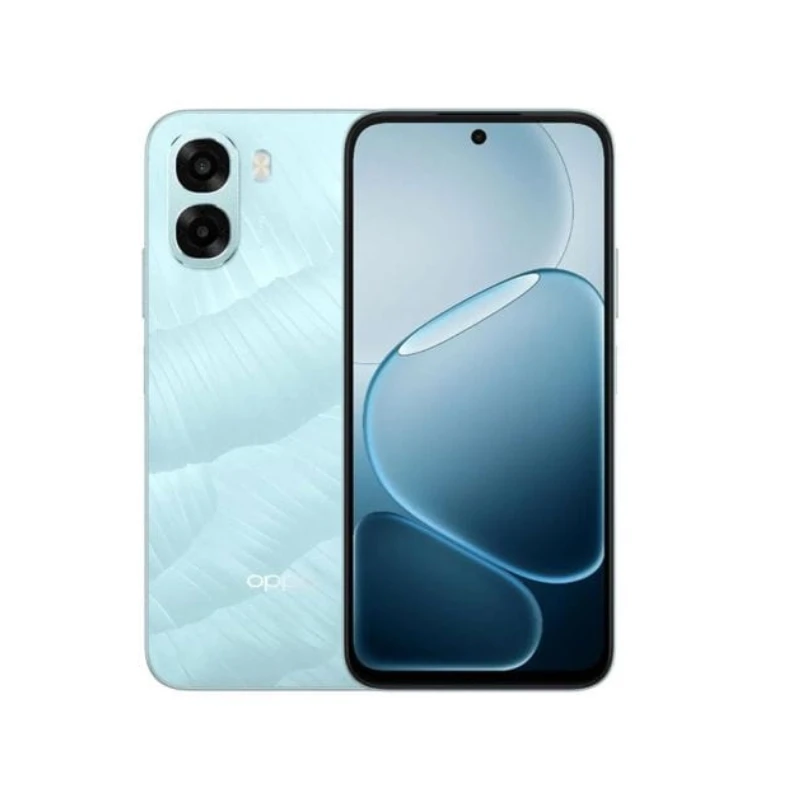
  • The Gradient Back: A Signature Move: The most defining characteristic of the A5 (particularly models like the 2020 variant) was its stunning 3D gradient back panel. Using a sophisticated nano-level printing technique, OPPO created colors that shifted and flowed—from Mirror Black to Dazzling White, or from Fantasy Purple to Streaming Silver. This wasn’t a simple color; it was a dynamic visual effect that caught light differently from every angle. It immediately set the phone apart from the monochrome, utilitarian plastic backs common in its price range.

  • Material Science and Build: The back was made from composite polycarbonate, expertly molded and polished to mimic the gloss and depth of glass. While not as cold or heavy as glass, it offered superior durability and shock resistance—a practical advantage. The frame was seamlessly integrated, and the buttons provided a satisfying, clicky tactile response.

  • Ergonomics for the Masses: Despite housing a large battery, the OPPO A5 was designed with ergonomics in mind. With dimensions around 165mm tall, 75mm wide, and 9mm thick, and a weight of approximately 195 grams, it felt substantial yet manageable. The curvature of the back panel met the frame smoothly, ensuring it sat comfortably in the palm without sharp edges. The placement of the fingerprint sensor (on the rear, centered for the index finger) and the volume buttons was intuitive.

  • The Practical Layout: The rear housed the vertically aligned dual cameras and LED flash in a neat module. The front was dominated by the screen, with a tiny “waterdrop” notch—a small, teardrop-shaped cutout for the front camera that maximized screen real estate while being far less intrusive than a wide notch. The bottom edge featured the 3.5mm headphone jack (a crucial retention for its audience), the micro-USB port (a sign of its era, though later models moved to USB-C), and the speaker grille.

  • Chapter 2: The Visual Gateway – Display and Multimedia Prowess

    For a generation that consumes video, browses social media, and reads on their phones, the display is the window to the digital world. The OPPO A5 prioritized size and efficiency to create an immersive view.

  • Size and Technology: It featured a large 6.5-inch LCD display with a 20:9 aspect ratio. This “tall” format was perfect for scrolling through feeds and watching modern video content with minimal black bars. The resolution was typically HD+ (1600 x 720 pixels), which, at this screen size, resulted in a pixel density of around 269 PPI. While not pin-sharp like a 1080p panel, it was perfectly acceptable for everyday use, offering decent clarity for text, images, and video.

  • The “Waterdrop” Screen: The minimal notch design allowed for an impressive screen-to-body ratio of over 89%. This gave users a vast, uninterrupted canvas, making gaming, reading, and web browsing more engaging. The bezels, particularly the chin, were noticeably slim for its class.

  • Color and Brightness: The LCD panel delivered vibrant colors, tuned to be slightly saturated and punchy—a preference for media consumption. It offered adequate brightness for indoor use and managed reasonably under soft outdoor light, though direct sunlight could pose a challenge. It supported standard dynamic range content.

  • Multimedia Experience: Coupled with the large screen was a single, bottom-firing loudspeaker. While not stereo, it was tuned to be clear and could get sufficiently loud for personal media playback. The inclusion of the headphone jack meant users could easily connect their favorite wired earphones for private, high-quality audio. The combination of the expansive display and capable audio made the A5 a competent device for watching YouTube, Netflix, and other streaming platforms.

  • Chapter 3: The Beating Heart – Performance and Daily Operations

    Performance in the budget segment is about smoothness in core tasks, not benchmark dominance. The OPPO A5 was configured for efficiency and reliability.

  • The Engine: Qualcomm Snapdragon 665 (Typical Configuration): Many variants of the A5 were powered by the Qualcomm Snapdragon 665 platform, built on an 11nm process. This was a wise choice. Its eight Kryo 260 CPU cores (four performance, four efficiency) and the Adreno 610 GPU provided a balanced profile. The key strength of this chip was its power efficiency, which worked in harmony with the large battery. It handled everyday operations—social media apps (Facebook, WhatsApp, Instagram), email, web browsing with multiple tabs, and standard-definition video streaming—with general smoothness.

  • Gaming Capability: The A5 was not marketed as a gaming phone, but it could handle popular titles competently. Games like Call of Duty: Mobile and PUBG Mobile were playable at lower to medium graphics settings. Less demanding games like Candy CrushSubway Surfers, and Clash of Clans ran flawlessly. The focus was on consistent, playable frame rates without excessive heat or battery drain.

  • Memory and Storage: It typically came in configurations like 4GB of RAM and 64GB/128GB of internal storage. The RAM, coupled with OPPO’s software optimizations, allowed for decent app multitasking. The storage was expandable via a dedicated microSD card slot, a critical feature for users with large media libraries, allowing expansion by up to 256GB.

  • Software: ColorOS on Android: The A5 launched with ColorOS (version 6 or 7, based on Android 9 or 10), OPPO’s custom Android skin. ColorOS was known for its feature-rich, visually appealing, and highly customizable interface. It included thoughtful software enhancements like “App Booster” for gaming optimization, “Smart Sidebar” for quick tools, and extensive theming options. While it added some visual flair and useful utilities, it could also be seen as heavier than stock Android. Software update support was typically limited to security patches, a common practice in this segment.

  • Chapter 4: Capturing Moments – The Camera System Analysis

    The camera philosophy of the OPPO A5 was “simplicity with AI enhancement.” It aimed to make point-and-shoot photography easy and socially shareable.

  • Dual Rear Camera Array:

    • Main Sensor: A 12MP or 13MP primary sensor with an f/1.8 or f/2.2 aperture. This sensor was responsible for capturing most images. It provided adequate detail in good lighting conditions.

    • Depth Sensor: The second lens was almost always a 2MP depth sensor. Its sole purpose was to assist in creating a bokeh (background blur) effect in portrait mode photos, helping to separate the subject from the background more accurately.

  • The AI Camera Engine: This was where OPPO added significant value. The AI Beautification and AI Scene Recognition were central features. Scene Recognition could identify over 20 scenarios (like “Blue Sky,” “Greenery,” “Food,” “Night”) and automatically adjust color saturation, contrast, and exposure to make the photo more vibrant and appealing. Beautification smoothed skin tones and adjusted facial features in real-time for selfies.

  • Front-Facing Camera: A single 8MP sensor housed in the waterdrop notch. It was optimized for selfies, with strong AI beautification algorithms and portrait mode effects.

  • Performance Analysis:

    • Daylight: In ample light, the A5 could produce pleasing, colorful images with decent dynamic range. The AI enhancement often boosted greens and blues, making landscapes and outdoor shots pop for social media.

    • Low-Light: Performance dropped noticeably in low light, as expected. Images showed increased noise, loss of detail, and slower shutter speeds. A basic “Night Mode” (if present) used multi-frame processing to brighten scenes but with mixed results.

    • Video: Capable of recording up to 1080p video at 30fps. Electronic Image Stabilization (EIS) helped reduce handshake for smoother footage in well-lit conditions.

  • Verdict: The camera system was perfectly aligned with its purpose: to provide a fun, easy, and enhanced photography experience for casual users who view and share photos primarily on social media platforms, where heavy compression is applied.

  • Chapter 5: The Marathon Powerhouse – Battery and Endurance

    If there was one area where the OPPO A5 aimed to be a class leader, it was battery life. This was its headline feature and primary selling point.

  • The Power Unit: It was equipped with a massive 5000mAh battery. In the context of its efficient Snapdragon 665 processor and HD+ resolution display, this capacity was transformative.

  • Real-World Endurance: The battery life was nothing short of exceptional. For moderate users (3-4 hours of screen-on time with social media, calls, music, and some video), the A5 could easily last two full days on a single charge. Even for heavier users, a day and a half was a standard expectation. It alleviated the pervasive “range anxiety” associated with smartphones, making it an ideal device for travelers, field workers, or anyone who prioritized not having to hunt for a charger constantly.

  • Charging Technology: Charging such a large cell was managed via standard 10W charging. While not fast by modern standards, it was practical. A full charge from 0% would take approximately 2.5 to 3 hours. The use of a micro-USB port for charging was a cost-saving measure that reflected its era and price point.

  • Software Optimization: ColorOS included power-saving modes like “Super Power Saving Mode,” which would extend battery life dramatically by restricting functionality to only essential calls, messages, and contacts when battery levels were critically low.

  • Chapter 6: The Complete Package – Connectivity, Audio, and Biometrics

    The A5 rounded out its offering with a complete set of standard features expected by its global audience.

  • Connectivity: It supported 4G LTE on multiple bands for wide carrier compatibility. Standard fare included Wi-Fi 802.11 a/b/g/n/acBluetooth 5.0 (for stable connections to peripherals), and GPS for navigation.

  • Audio: As noted, the 3.5mm jack was a celebrated inclusion. The single bottom-firing speaker was serviceable, and call quality through the earpiece was reported to be clear and loud.

  • Biometric Security: It offered two primary unlock methods:

    1. Rear-Mounted Fingerprint Sensor: Fast, accurate, and conveniently positioned.

    2. Face Unlock: Using the front camera, this method was quick in good light and added a layer of convenience, though it was less secure than the fingerprint sensor.

  • Chapter 7: Market Context, Competition, and Lasting Legacy

    The OPPO A5 entered a crowded field with competitors like the Xiaomi Redmi Note seriesSamsung Galaxy A10s/A20s, and realme 5. Its competition often offered higher-resolution cameras or slightly faster processors.

  • The A5’s Winning Formula: The A5 didn’t win on paper specs. It won on perceived quality and battery life. Its design made it look and feel like a more expensive device. Its battery life was a tangible, daily benefit that no spec sheet could fully convey. It offered a cohesive experience where design, battery, and screen size worked in harmony.

  • Target Audience: It was a hit with:

    • Youth attracted to its stylish design and good selfie camera.

    • Practical Users and Business Users who needed a phone that wouldn’t die mid-day.

    • First-time smartphone buyers or those buying for family members, valuing its simplicity and reliability.

  • Legacy: The OPPO A5 cemented the formula for the A-series: Striking Design + Massive Battery + Large Display = Mass Market Appeal. It proved that in the budget segment, excelling in a few key experiential areas could be more powerful than leading in raw specifications. It set the stage for successors like the A5 2020, A54, A74, and A78, which continued to refine this successful blueprint.

  • Conclusion: The Archetype of Accessible Value

    The OPPO A5 may not have been a technological trailblazer, but it was a masterclass in strategic product definition for a specific market. It understood its users’ implicit needs: a phone that looks good, feels solid, lasts forever on a charge, and handles the basics without fuss. In a world obsessed with megapixels and gigahertz, the A5 quietly focused on the user experience, delivering satisfaction through endurance and style. It stands as a testament to the idea that a truly successful smartphone is not just about the sum of its parts, but about how thoughtfully those parts are chosen and integrated to serve the real-life routines of millions. The OPPO A5 wasn’t just a budget phone; it was a reliable, stylish, and enduring companion that faithfully executed its role, thereby earning its place as a defining model in the history of accessible smartphones.

How to order on the website

  • On your selected item, click on the Click to order / Add to Cart button
  • Enter your name, phone number and email address
  • Enter the amount you want to pay. We accept a minimum of KSh.100 on all items
  • Click on the Proceed to Pay button
  • You'll be prompted to enter your M-Pesa pin to pay automatically
  • If you don't receive the prompt, follow the steps sent to you on SMS to activate your booking

© 2026. Mosmos. All Rights Reserved.