
OPPO A6 PRO
Key Highlights
-
Category Specification Display 6.52-inch HD+ (1600×720) IPS LCD, 60Hz refresh rate Design Matte-finish “Glasstic” unibody; Colors: Pearl Blue, Crystal Black, Space Silver Processor MediaTek Helio G35 Memory/Storage 3GB/4GB RAM + 32GB/64GB storage, expandable via dedicated microSD slot Rear Camera 13MP Main (f/2.2) + 2MP Macro + 2MP Depth Front Camera 8MP Selfie (f/2.0) with Dewdrop Notch Battery & Charging 5000mAh with 10W standard charging (Micro-USB port) Security Rear-mounted Fingerprint Sensor & Face Unlock Software ColorOS 11.1 based on Android 11 (Upgradable to ColorOS 12/Android 12) Key Features 2-day battery life, triple-card slot, 3.5mm headphone jack, AI Camera modes
KSh.500
Pay at your own pace
0% interest rates
AFTER full payment
-
In the tumultuous and hyper-competitive budget smartphone segment, the challenge for manufacturers is not merely to hit a low price point, but to execute a delicate balancing act. It requires a strategic allocation of resources, emphasizing certain features while making calculated compromises on others, all while maintaining a veneer of quality and desirability. The Oppo A16 stands as a masterclass in this very philosophy. It is not a device designed to pioneer new technologies or top performance charts. Instead, its mission is far more critical: to deliver a reliable, aesthetically pleasing, and enduring smartphone experience to the vast demographic of value-conscious consumers. This in-depth description will dissect the Oppo A16 across every facet of its existence, from its unboxing to its long-term software support, exploring how it carves its niche in a market saturated with alternatives.
Chapter 1: First Contact – Unboxing, Design, and Ergonomics
1.1 The Unboxing Experience:
The Oppo A16 package is a study in efficient, no-frills packaging. Within a slender, lightweight box, the user finds: -
The Oppo A16 handset itself.
-
A standard 10W charging adapter.
-
A USB-A to Micro-USB cable.
-
A transparent silicone protective case.
-
A SIM ejector tool and the requisite regulatory documentation.
-
The inclusion of the case is a thoughtful touch, acknowledging that the primary user of this device is likely to prioritize device protection from day one. The most notable anachronism here is the Micro-USB cable, a port that had largely been phased out by competitors even in 2021. This is a clear cost-saving measure, positioning the device in a specific, lower tier of the budget spectrum.
1.2 Aesthetic Philosophy and Craftsmanship:
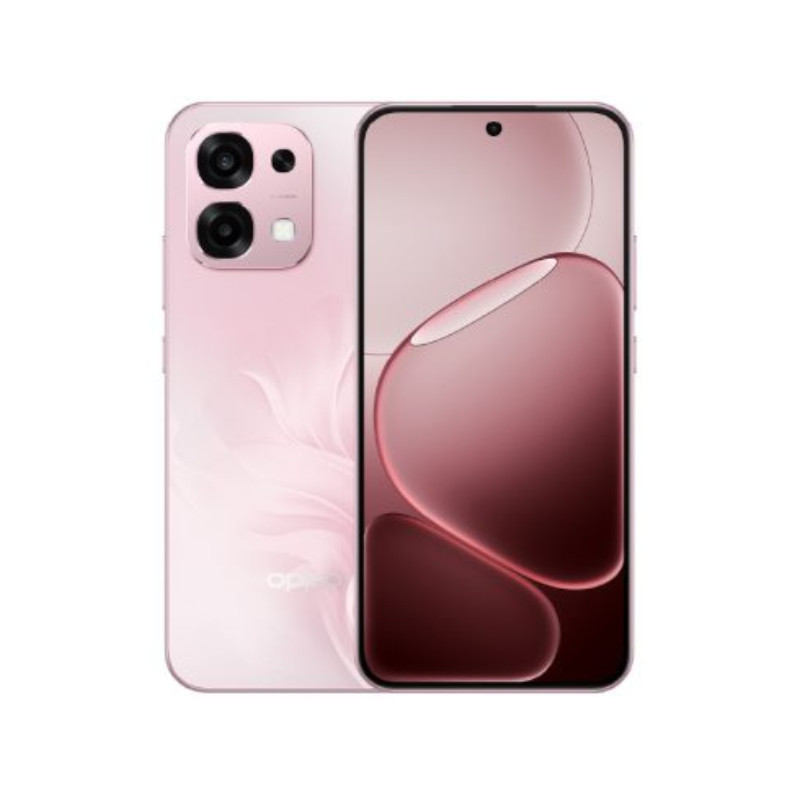
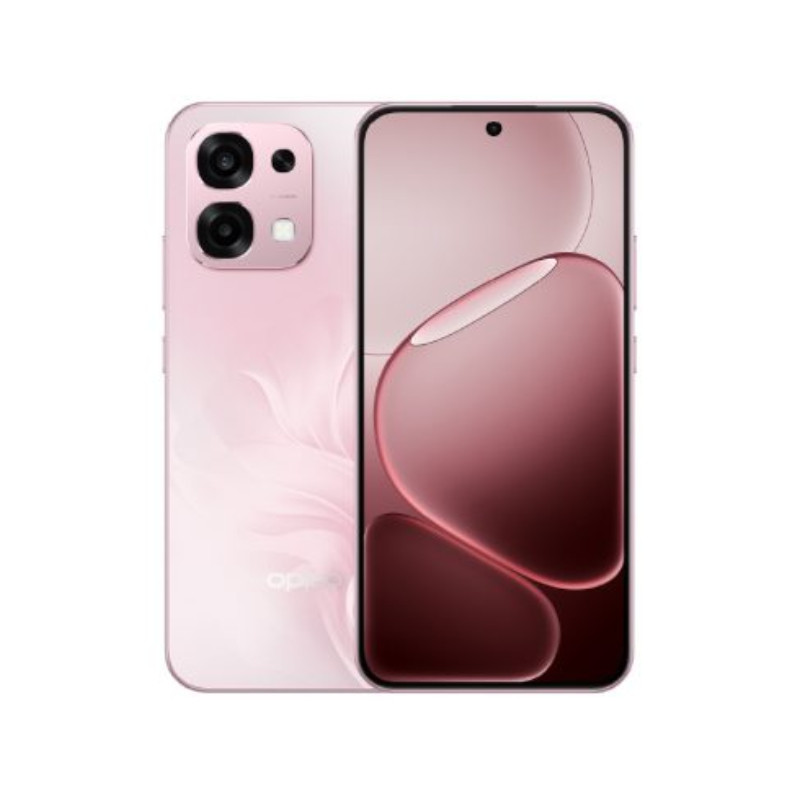
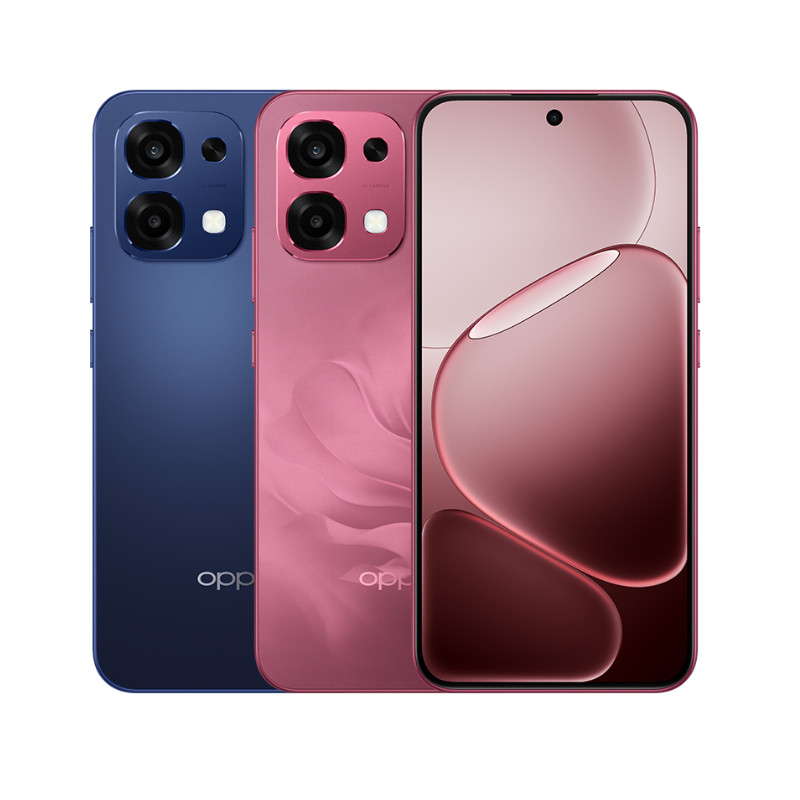
Oppo has long prided itself on design, and the A16 is a testament to this trickling down to its most affordable tiers. The device features a “Glasstic” unibody construction—a polycarbonate rear shell with a sophisticated, matte-finish coating that convincingly mimics the soft-touch feel of velvet or sandblasted glass. This choice is strategic: it feels premium in the hand, resists fingerprints assiduously, and provides a secure grip.The color options—Pearl Blue, Crystal Black, and Space Silver—are elegantly executed. The Pearl Blue variant, in particular, exhibits a subtle, light-diffusing quality that prevents it from looking cheap or garish. The camera housing is a raised, rectangular module seamlessly integrated into the top-left corner of the back panel, a design language consistent with more expensive Oppo phones, fostering a sense of brand continuity.
1.3 Ergonomics and Form Factor:
With dimensions of 163.8 x 75.6 x 8.4 mm and a weight of 190 grams, the A16 is comfortably substantial. Its rounded edges and corners meld seamlessly into the palm, making one-handed use feasible for shorter periods, though the 6.52-inch display ultimately necessitates a second hand for full navigation. The button placement is ergonomic, with the power button and volume rocker on the right spine, offering satisfactory tactile feedback. A dedicated, triple-card tray on the left spine accommodates two Nano-SIMs and a microSD card simultaneously, a significant advantage for users who need expandable storage without sacrificing dual-SIM functionality.Chapter 2: The Portal – Display and Multimedia Consumption
2.1 Display Specifications and Real-World Performance:
The front of the device is dominated by a 6.52-inch IPS LCD display, a standard for this category. -
Resolution: 720 x 1600 pixels (HD+)
-
Pixel Density: ~269 PPI (Pixels Per Inch)
-
Aspect Ratio: 20:9
-
Peak Brightness: Approximately 480 nits
-
Notch: Dewdrop-style (waterdrop notch) for the front camera.
-
In daily use, the display is serviceable. The 720p resolution is the most apparent compromise; while perfectly adequate for social media scrolling, messaging, and web browsing, it lacks the sharpness and detail of a 1080p (Full HD) panel. Text is readable but not pin-sharp, and individual pixels are discernible to a keen eye. The colour reproduction is typical of an entry-level IPS panel: colours are reasonably vibrant but not overly saturated, with a tendency towards a neutral, slightly cool tone. The peak brightness is just sufficient for indoor use and marginally acceptable for outdoor visibility on a sunny day, though glare can be an issue.
2.2 The Multimedia and Gaming Experience:
For video consumption on platforms like YouTube and Netflix, the 20:9 aspect ratio is well-suited for most modern content. The lack of Widevine L1 certification means that streaming apps typically default to Standard Definition (SD) or, at best, 540p, which further diminishes the video-watching experience on this HD+ panel. The single, bottom-firing loudspeaker is a clear weak point. It produces sound that is thin, lacks any discernible bass, and distorts noticeably at higher volumes. For any meaningful multimedia consumption, the use of headphones—either wired via the thankfully retained 3.5mm jack or Bluetooth—is non-negotiable.https://sammertechnology.co.ke/Chapter 3: The Engine Room – Performance and Internal Hardware
3.1 The Heart: MediaTek Helio G35
The operational core of the Oppo A16 is the MediaTek Helio G35 system-on-chip (SoC). Fabricated on a 12nm process, this chipset is designed with two primary goals: extreme power efficiency and competent handling of basic tasks. -
CPU: Octa-core, consisting of 8x ARM Cortex-A53 efficiency cores clocked at a maximum of 2.3GHz.
-
GPU: IMG PowerVR GE8320.
-
This configuration is the definition of an entry-level processor in every sense. The absence of any performance cores (like Cortex-A75 or A76) means its capabilities are strictly bounded.
3.2 Real-World Usage, Multitasking, and Gaming:
The phone is typically configured with 3GB or 4GB of RAM and 32GB or 64GB of internal eMMC 5.1 storage. The 4GB RAM variant is highly recommended. With the 3GB model, the user interface can feel sluggish, with frequent app reloads even when switching between just two or three lightweight applications. The 4GB version, while not flawless, provides a noticeably smoother and more consistent experience for the core smartphone activities: calls, messaging, email, and social media apps like WhatsApp, Facebook Lite, and Instagram.Gaming performance is strictly casual. The Helio G35, despite the “G” nomenclature, is not a gaming chip. Titles like “Subway Surfers,” “Candy Crush Saga,” and “8 Ball Pool” run acceptably. However, attempting to play more demanding games like “Call of Duty: Mobile” or “Genshin Impact” is a futile exercise, resulting in unplayable frame rates, severe stuttering, and prolonged loading times. The device is simply not architected for such workloads.
3.3 Connectivity and I/O:
Connectivity options are comprehensive for its class: 4G LTE, Wi-Fi 802.11 b/g/n/ac (2.4GHz only, no 5GHz), Bluetooth 5.0, GPS, and the aforementioned Micro-USB port and 3.5mm headphone jack. The omission of a 5GHz Wi-Fi band is another cost-saving measure, which can lead to slower network speeds and more interference in congested wireless environments.Chapter 4: Capturing the Moment – The Camera System
4.1 The Triple-Camera Array: A Closer Look
The Oppo A16 features a triple-camera setup on the rear, a configuration that often suggests more versatility than it delivers: -
Primary Camera: 13 MP, f/2.2 aperture
-
Macro Camera: 2 MP, f/2.4 aperture
-
Depth Sensor: 2 MP, f/2.4 aperture
-
Features: LED flash, HDR, Panorama, and various AI scene enhancement modes.
-
5.2 Key Software Features and Longevity:
Positive software aspects include: -
Dark Mode: A system-wide dark theme that helps conserve battery life on the LCD screen.
-
Flexible System Navigation: Options for traditional three-button navigation or gesture-based controls.
-
Game Space: A dedicated mode that optimizes system resources and blocks notifications during gameplay.
-
A significant advantage of the Oppo A16 is its software support. Being part of Oppo’s wider portfolio, it has received updates, including a major upgrade to ColorOS 12 based on Android 12 for many units, which brought improved privacy features, a more refined design language, and enhanced performance. This commitment to a major Android version update is commendable in the budget segment and extends the device’s useful life.
5.3 Security:
Security is managed by both a rear-mounted capacitive fingerprint sensor and AI-based Face Unlock. The fingerprint sensor is reasonably fast and accurate, though its placement on the back can be inconvenient when the phone is lying on a table. The face unlock, which uses the front camera, is quick in good light but is ineffective in darkness and is less secure than the fingerprint method.Chapter 6: The Marathon Runner – Battery Life and Charging
6.1 The Powerhouse:
If there is one domain where the Oppo A16 truly and unequivocally excels, it is battery life. Equipped with a massive 5000mAh battery, the device is an endurance champion. The combination of this large battery, the ultra-efficient Helio G35 chipset, and the low-power HD+ display creates a perfect synergy for legendary battery life.6.2 Real-World Endurance:
For the average user, the Oppo A16 can effortlessly achieve two full days of use on a single charge. This usage pattern includes several hours of screen-on time involving social media, web browsing, communication apps, and some camera use. Even for heavier users who consume a lot of video content, getting through a day and a half is almost a guarantee. This makes it an ideal device for travelers, students, or anyone who prioritizes not having to hunt for a charger throughout the day.6.3 The Trade-Off: Charging Speed:
The trade-off for this stellar battery life is painfully slow charging. With the included 10W adapter and the Micro-USB limitation, charging the 5000mAh battery from 0 to 100% can take well over 3 hours. This relegates charging to an overnight activity. The absence of any form of fast charging is a tangible compromise that users must accept.Conclusion: The Verdict on Strategic Value
The Oppo A16 is not a smartphone for the enthusiast. It will not delight a power user, a mobile gamer, or a photography aficionado. Its performance is modest, its display is basic, its charging is slow, and its camera system is utilitarian.
However, to judge it by those metrics alone is to miss its entire raison d’être. The Oppo A16 is a device of intentional and strategic compromises. It identifies the core needs of its target audience—a presentable design, a large screen for content, flawless basic performance, and phenomenal battery life—and directs all its resources toward excelling in those areas.
It is a smartphone that understands its user perfectly: someone for whom a phone is a tool for communication, information, and entertainment, not a statement of technical prowess. For that user, the Oppo A16 delivers a reliable, long-lasting, and surprisingly well-crafted experience. It stands as a testament to the fact that in the vast and varied smartphone ecosystem, perfection is not about having the best of everything, but about having everything you truly need, consistently and affordably. In that mission, the Oppo A16 is a resounding, if quiet, success
In reality, the 2MP macro and depth sensors are largely supplementary, included to bolster the spec sheet. The primary 13MP sensor handles almost all photographic duties.
4.2 Daylight Photography:
In ample natural light, the primary camera can capture decent images. The AI scene detection automatically recognizes environments like “Sky,” “Greenery,” or “Food” and boosts saturation and contrast accordingly. The resulting images are often socially media-ready, with vibrant, if sometimes unrealistic, colours. Detail is acceptable for small-screen viewing but dissolves into a watercolour-like smudge upon zooming, due to aggressive noise reduction processing. Dynamic range is limited, with highlights often blowing out in high-contrast scenes.4.3 The Low-Light Challenge:
In low-light conditions, the camera’s fundamental limitations are exposed. The small sensor size and narrow f/2.2 aperture restrict light intake. Images become noisy, lose detail, and colours appear muted. The dedicated Night Mode attempts to combat this by using a multi-frame stacking process. It requires a steady hand for a few seconds and results in a brighter image with reduced noise, but often at the cost of unnatural sharpening and a loss of authentic contrast. The 2MP macro camera produces soft, low-detail images that are more of a novelty than a practical tool.4.4 The Selfie Camera:
The 8 MP, f/2.0 front-facing camera housed in the dewdrop notch is adequate for video calls and selfies in good light. Oppo’s signature beautification algorithms are present and can be quite aggressive by default, smoothing out skin textures extensively. For its primary purpose—video communication on apps like WhatsApp and Zoom—it is perfectly functional.4.5 Video Recording:
Video capabilities are rudimentary, maxing out at 1080p resolution at 30 frames per second from both the front and rear cameras. The footage lacks electronic image stabilization (EIS), resulting in shaky videos. Audio capture is mono and of mediocre quality. It is suitable only for capturing brief, personal moments.Chapter 5: The Digital Soul – Software and User Experience
5.1 ColorOS on Android:
The Oppo A16 originally launched with ColorOS 11.1, built on top of Android 11. Oppo’s software skin is feature-rich but can feel heavy and cluttered compared to stock Android or lighter skins. It includes numerous pre-installed applications, some of which qualify as bloatware, and the overall aesthetic is one of high customizability.
How to order on the website
- On your selected item, click on the Click to order / Add to Cart button
- Enter your name, phone number and email address
- Enter the amount you want to pay. We accept a minimum of KSh.100 on all items
- Click on the Proceed to Pay button
- You'll be prompted to enter your M-Pesa pin to pay automatically
- If you don't receive the prompt, follow the steps sent to you on SMS to activate your booking